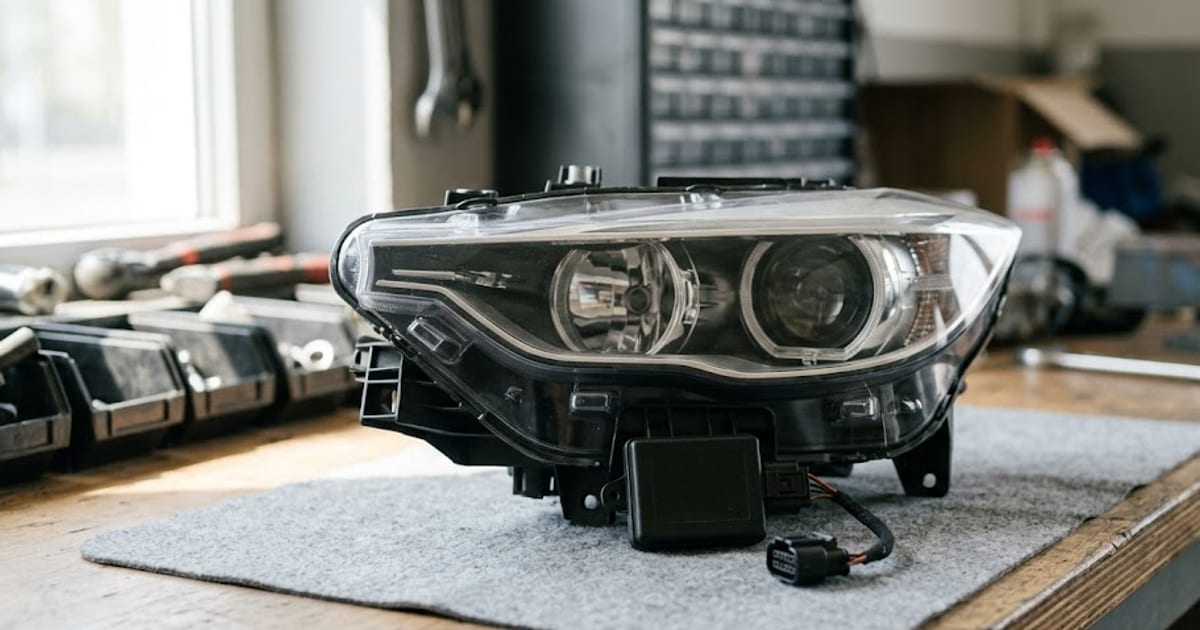
U0181 means a module on the vehicle's data network has stopped receiving the messages it expects from the headlamp leveling control module. The generic definition is "Lost Communication With Headlamp Leveling Control Module A." The code is stored by the module that noticed the silence, often the body control module or the instrument cluster, and it tells you the leveling module is not talking. It does not tell you why.
Severity: low to moderate. Can you keep driving? Yes. The headlights still turn on. What you lose is automatic aiming: the beams stay wherever they were when communication stopped, which can mean dazzling oncoming drivers with a loaded car or lighting too little road with an empty one. On some cars, such as the Opel and Vauxhall Insignia with adaptive front lighting, owners also report the main beam refusing to work until the fault is cleared.
What the leveling module does
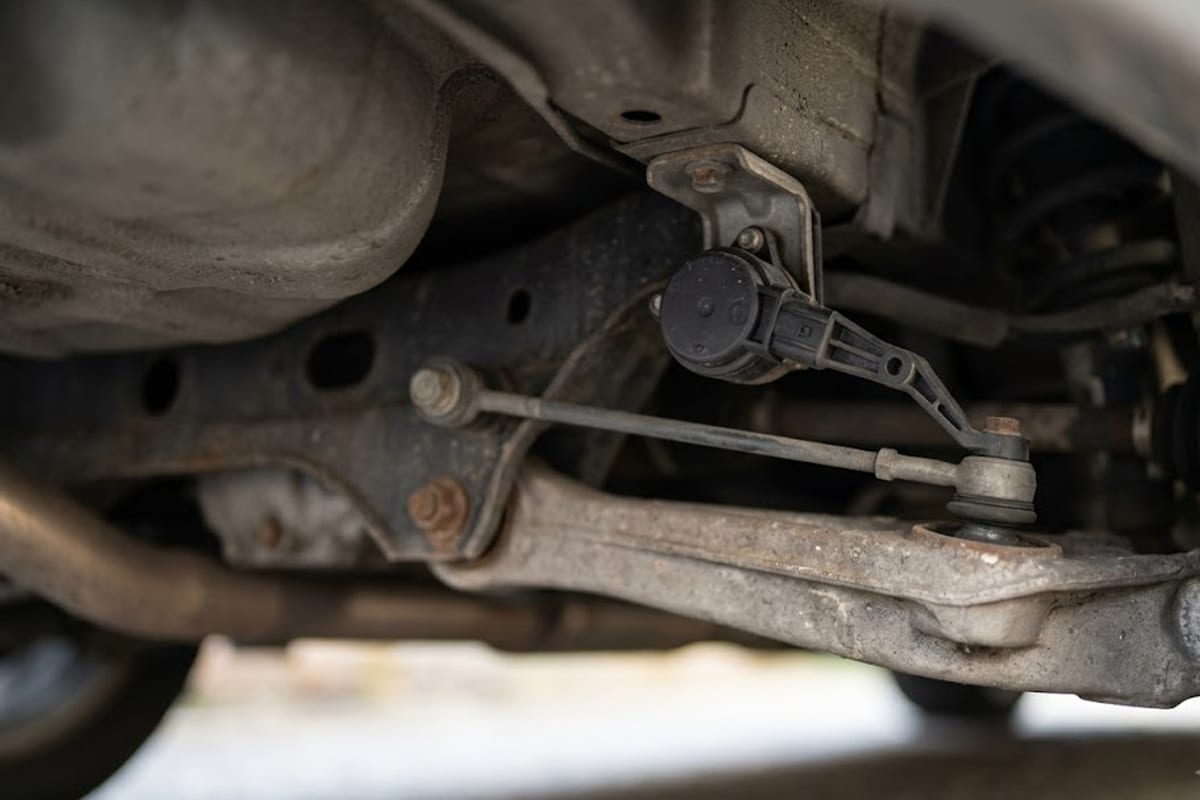
A headlamp leveling module keeps the low beam's cut-off line at the same height on the road regardless of how the car is loaded. It reads one or two ride height sensors on the suspension, which report how far the body sits from the axle, and drives small motors inside each headlamp that tilt the reflector or projector up and down. On cars with adaptive lighting the same module, or a closely related one, also swivels the beams into bends.
Automatic leveling is standard on most cars with xenon or high-output LED headlamps, because European type approval rules (UN Regulation No. 48) require it for headlamps above a set light output. That is why U0181 is far more common on European models and on North American vehicles with premium lighting packages than on basic halogen-equipped cars.
Why a module "loses communication"
Every module on a data network sends regular status messages. When a receiving module goes long enough without one, it records a lost-communication code for the sender. The cause is almost always one of four things, in this order of likelihood:
- The leveling module has no power or no ground. A blown fuse, a corroded ground point or a broken feed wire shuts the module down completely, and a silent module looks exactly like a lost one.
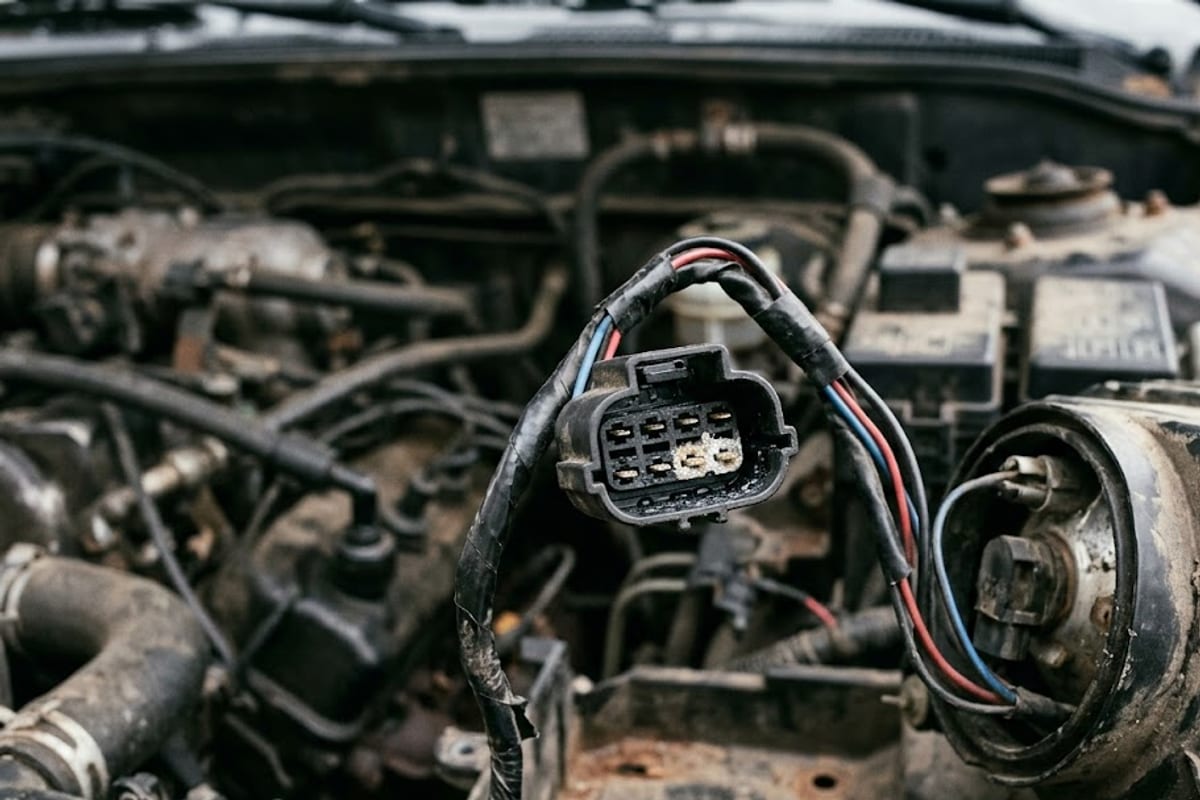
- The module's connector or network wiring is damaged. On many cars the leveling or adaptive lighting module is mounted on or next to the headlamp housing, where road spray, salt and heat cycles reach it. Water inside the connector is a recurring finding on Insignia owner forums.
- The module itself has failed internally, often after water ingress.
- A wider network fault, in which case you will see several lost-communication codes at once rather than U0181 alone.
Diagnosing it
Start by reading codes from every module. If U0181 is the only communication code, the problem is local to the leveling module. If you also see U0100, U0140 or U0155, a whole network branch is down and the leveling module is just one of the casualties. The article on U codes and module communication covers how to read a cluster of these.
Check whether the module responds at all. A scan tool that can address individual modules will either reach the headlamp leveling module or fail to. If it cannot reach it, the fault is power, ground or wiring. If it can, and the module stores its own codes, read those: a module that is awake but reporting internal faults is a different job from a module that is dead.
Check power and grounds at the module connector. Find the module's fuse in the owner's manual or service information and test it in place with a meter, not by eye. Then check voltage and ground at the connector with the lights switched on.
Inspect the connector and the headlamp for water. Unplug the module, look for green or white corrosion and moisture, and check the headlamp for a cracked housing or a missing rear cap. Clean and dry what you find; replace terminals that are pitted.
Check the network wires. Most leveling modules sit on a low-speed CAN or LIN branch. A chafe where the harness passes the radiator support or the wing is a common cause of an intermittent U0181 that comes and goes with vibration.
Consider the module last. Replacement modules often need to be programmed and configured to the vehicle, and on some cars the headlamp aim must be reset with a scan tool afterwards. A new module fitted without that step can set its own codes.
Where the ride height sensor fits in
A failed ride height sensor, a seized linkage arm or a broken link rod will not normally set U0181. The module is still talking; it simply reports a sensor fault of its own. But the symptom a driver sees can look similar, a warning lamp and headlights that no longer adjust, so it is worth separating the two early. If the scan tool can reach the leveling module and it reports a sensor code, look at the sensor on the suspension arm, not at the network.
Makes that turn up most
Owner and technician reports cluster on the Opel and Vauxhall Insignia with adaptive front lighting, where U0181 often comes with a "headlamp leveling malfunction" or "service AFL" message; on Jeep Grand Cherokee models with bi-xenon lamps; and on Ford, GM and Toyota models with leveling headlamps. GM lists U0181 among the many communication codes that can set falsely when a scan tool is connected through a diagnostic socket with spread terminals (bulletin PIC5741B, 2010 to 2013 Cadillac SRX and 2013 ATS), which is a reminder to check for a history code set during a previous scan before chasing an intermittent fault.
After the repair
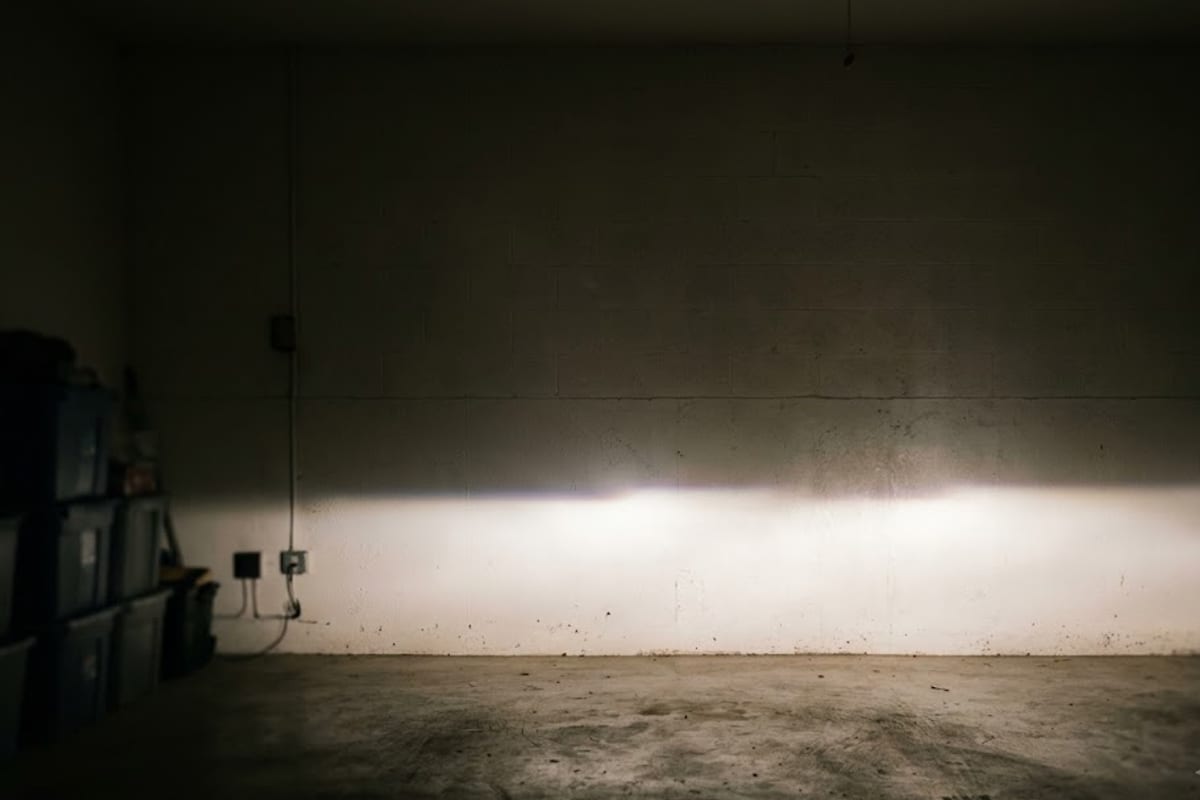
Clear the codes, switch the headlights on and watch for the beams to perform their start-up sweep, a short movement down and back that most leveling systems make when the lights are switched on. Then check the aim against a wall at the distance and height the service information gives. If the code returns only in wet weather, the water path into the connector has not been fixed.
Aftermarket headlamps and bulbs
Fitting aftermarket headlamp units or LED conversion bulbs is another route to U0181. Units made for a vehicle without automatic leveling may not contain the motors or electronics the module expects, and some conversion bulbs draw power differently from the originals. If the code appeared after lighting work, refit the original parts before diagnosing further.
Frequently asked questions
Can I drive with U0181?
Yes. The headlights still work, but they no longer adjust to load. Check that they are not aimed too high before driving at night with passengers or luggage.
Will U0181 fail an inspection?
It will not affect an emissions test. Headlamp aim is checked in many safety inspections, and beams stuck too high or too low can fail that part.
Is U0181 caused by the headlight bulb?
Not normally. A failed bulb sets a lamp-out code or message. U0181 means the leveling module has stopped communicating.
Why does my Insignia lose main beam with U0181?
On cars with adaptive front lighting, the lighting functions are coordinated through the same module. When it drops off the network, the car can disable the functions it manages, including the main beam, as a precaution.
Does a new leveling module need programming?
Usually. Most need to be configured to the vehicle and some need the headlamp aim reset with a scan tool.
Sources: SAE J2012 code definitions; UN ECE Regulation No. 48 on lighting installation; GM Preliminary Information PIC5741B (October 2012), published by NHTSA.