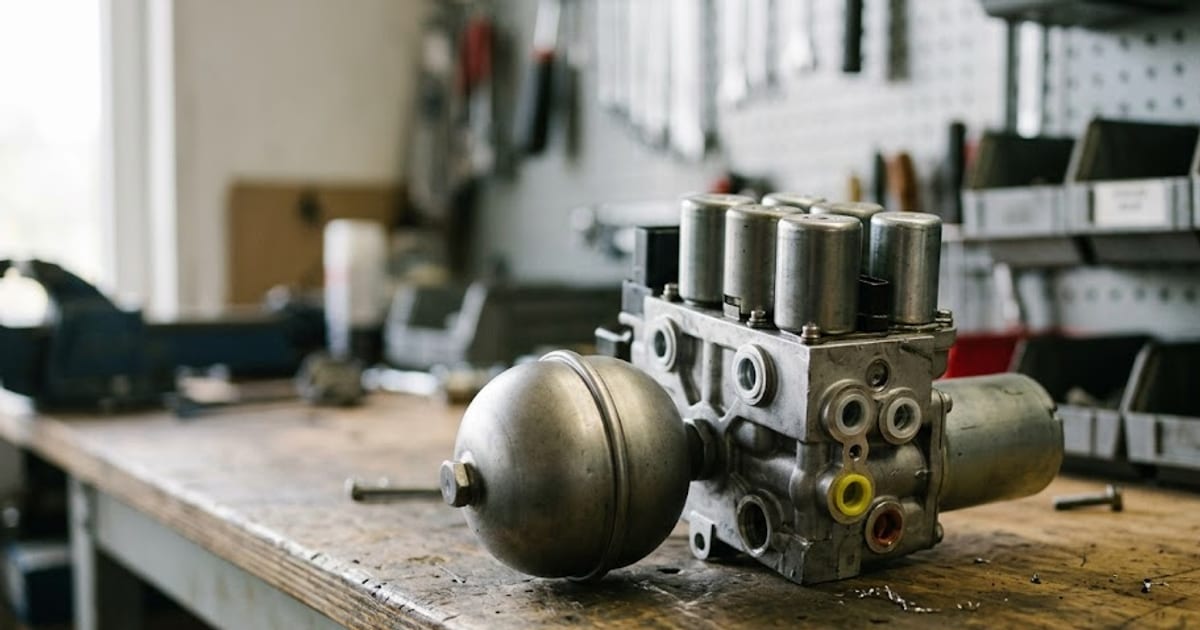
P0943 means the hydraulic pressure unit in a transmission is cycling more often than it should: the pump is switching back on too soon after it last switched off. The generic definition is "Hydraulic Pressure Unit Cycling Period Too Short." It belongs to transmissions that use a stored supply of hydraulic pressure, most often electro-hydraulic automated manual gearboxes, and it is one of a small family of hydraulic pressure unit codes from P0942 to P0944.
Severity: moderate. Can you keep driving? For now, but not for long. A pump that cycles too often is working harder than designed and will wear out sooner, and the underlying cause, usually a leak or a failing accumulator, tends to get worse. If the transmission starts shifting slowly, refuses gears or shows a warning, stop driving it.
How a hydraulic pressure unit works
Electro-hydraulic gearboxes, such as the Fiat and Alfa Romeo Dualogic and Selespeed systems and several other automated manuals, shift gears and operate the clutch with hydraulic cylinders. The pressure comes from a small electric pump. The pump does not run all the time. It charges an accumulator, a sphere or cylinder with a gas-filled chamber behind a membrane, and then switches off. The accumulator holds the pressure like a spring, and each gear change or clutch movement draws some of it down. When pressure falls to a lower threshold, a pressure sensor tells the control module, which runs the pump again.
The time between one pump run and the next is the cycling period. With the car standing still and no shifts happening, the period should be long, because very little pressure is being used. The control module knows what normal looks like. P0943 means the pump has had to restart sooner than normal, which means pressure is leaving the system faster than it should.
Where the pressure goes
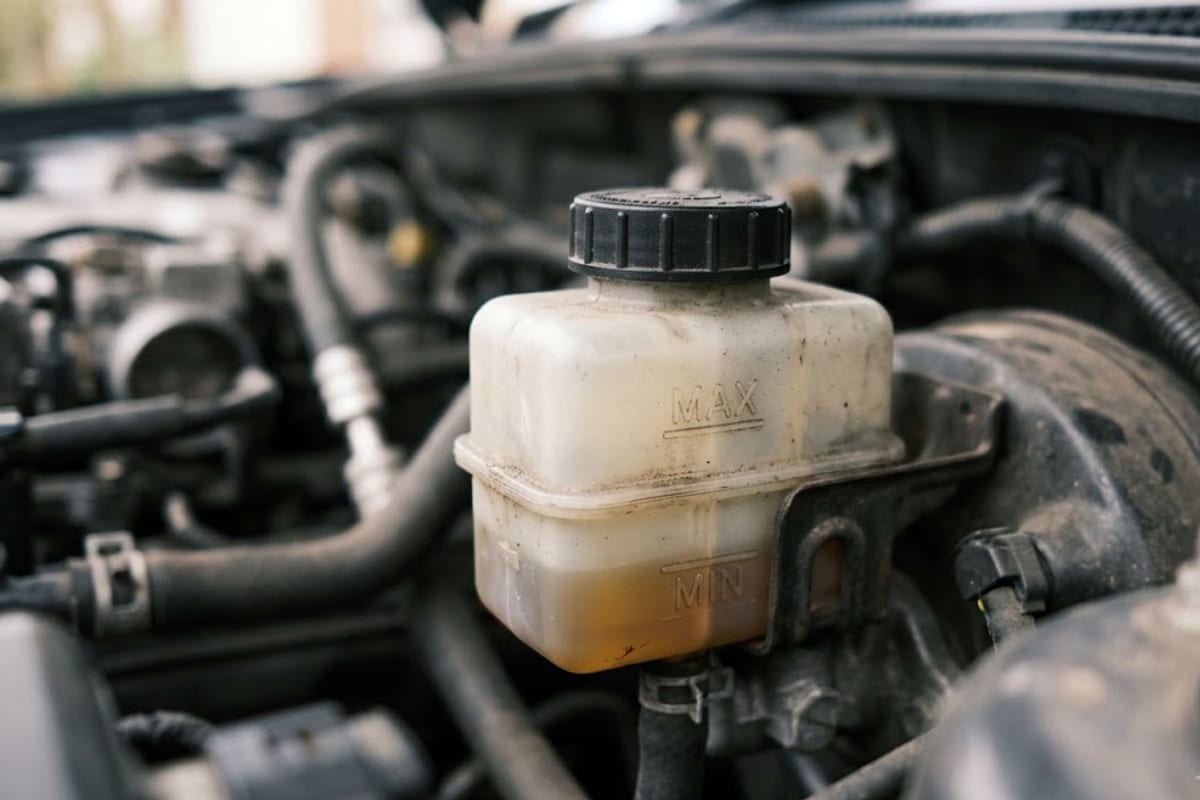
Low fluid. If the fluid level is low, the pump can draw air, which compresses and makes the stored pressure drop quickly. Low fluid also means fluid has gone somewhere.
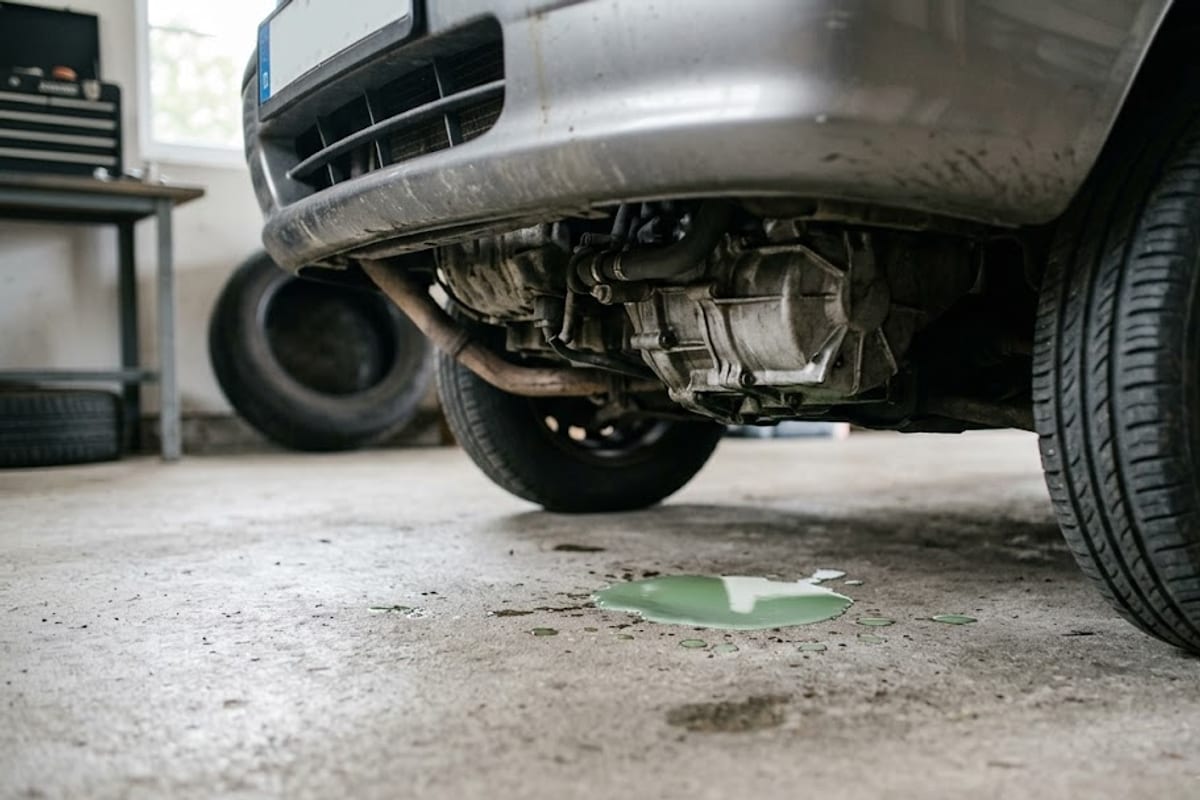
An external leak. A weeping line, fitting or cylinder seal lets pressure out. Look for fresh fluid on the gearbox, the actuator and the floor.
An internal leak. A worn solenoid valve or cylinder seal inside the actuator lets pressure bleed back to the reservoir without a visible trace. This is harder to find and usually needs a pressure hold test.
A failing accumulator. The accumulator relies on its gas charge. As the membrane ages, gas leaks out and the accumulator stores less and less fluid. The pump then fills it in a shorter time and it empties in a shorter time, so the cycling period shrinks. On many electro-hydraulic gearboxes this is the single most common cause of P0943, and the accumulator is sold as a separate part.
A pressure sensor fault. A sensor that reports pressure falling faster than it really is can make the module run the pump early. Pressure sensor codes usually appear alongside if this is the case.
Checks, in a sensible order
- Check the fluid level in the hydraulic reservoir with the system at rest, using the procedure in the service information. Some systems need the pressure released or the pump run before the level reads correctly. Use only the specified fluid.
- Look for leaks around the actuator, lines, clutch slave cylinder and gearbox, and under the car after it has stood overnight.
- Listen to the pump. With the ignition on and the car stationary, note how long the pump runs and how long it stays off. A pump that runs every few seconds with no shifting happening confirms the complaint.
- Read the pressure data on a capable scan tool: the pressure the sensor reports when the pump stops, and how fast it falls. A rapid fall with no visible leak points to an internal leak or the accumulator.
- Test or replace the accumulator. On many systems this is a bolt-on part, and a worn one explains P0943 on its own. Some specialists can test the gas precharge; otherwise replacement is the practical test.
- Run the relearn procedures after any hydraulic work. Automated manuals store clutch and gear positions that must be relearned when the hydraulics are opened or bled.

Related codes
P0942 is a hydraulic pressure unit circuit or general fault, and P0944 is loss of hydraulic pressure. P0944 is the more urgent code: it means pressure could not be built or held at all, and gears may not engage. If P0943 is left alone, P0944 is often where it ends up. Automated manual gate and shift actuator codes, such as P0912, can appear at the same time when low pressure stops an actuator from reaching its position.
Some scan tool databases file P09xx codes under hybrid propulsion. They are transmission codes in the SAE J2012 structure, which is worth knowing if your tool's description does not match your car.
Timing the pump yourself
You can confirm the complaint without special tools. With the car parked, the engine off and the ignition switched on, the pump will run to charge the system and then stop. Use a stopwatch to time how long it stays silent before it runs again, without touching the gear selector or the brake. Repeat after a few minutes. On a healthy system the pump should stay off for a long time with nothing drawing pressure. If it restarts every few seconds, pressure is escaping somewhere.
Write the times down before and after any repair. They give you a simple way to show whether a new accumulator or a fixed leak has made a difference, independent of whether the code has returned yet.
Why accumulators wear out
An accumulator stores energy by compressing a gas, usually nitrogen, behind a flexible membrane. Over years the gas slowly permeates through the membrane and the precharge falls. With less gas, the accumulator holds a smaller volume of fluid between its upper and lower pressure limits, so each charge is used up sooner and the pump runs more often. Heat speeds the process, and electro-hydraulic gearbox actuators often sit close to the exhaust. That is why a high-mileage car with no leak can still set P0943.
Frequently asked questions
Can I drive with P0943?
For a short time if the gearbox shifts normally. Plan the repair soon, because the pump is overworking and the cause usually worsens. If shifting becomes slow or gears will not engage, stop.
What is the most common cause of P0943?
On electro-hydraulic automated manuals, a worn accumulator that has lost its gas charge, followed by low fluid and leaks.
Why does my gearbox pump keep running?
Because pressure is draining from the system between pump runs. The pump switches on to refill the accumulator each time pressure falls to its lower limit. The faster it falls, the more often the pump runs.
Is P0943 the same as P0944?
No. P0943 means the pump is cycling too often. P0944 means the system has lost pressure. P0943 often comes before P0944.
Does the gearbox need a relearn after fixing P0943?
Usually. After hydraulic work, the clutch and gear positions need to be relearned with a scan tool.
Can I top up the fluid and carry on?
Topping up to the correct level with the specified fluid is the right first step, and it may stop the code for a while. If the level has dropped, though, the fluid has gone somewhere, so look for the leak. Using the wrong fluid can damage seals in the actuator.
Sources: SAE J2012 code definitions for the P0942 to P0944 hydraulic pressure unit codes.